Plant Seeds, Harvest Change.

10 • 03 • 19

Newsletter Preview

Scroll all the way down + make sure your email browser doesn’t cut off the end of the newsletter!

  • Updates, Customer Feedback Survey

  • Putting the Garden to Bed

  • Green Tomatoes Tips & Tricks

  • NEW Cover Crop Varieties & Mixes

  • Upcoming Events

Getting Ready for 2020

While it is time to start winding down the growing season - hello cold snaps of October - we are busy getting a bunch of exciting stuff together for the 2020 season!

After receiving some great feedback from you all, we are working hard to source some great new varieties, put together some fun new collections and mixes, and working to put together fun holiday options for those of you looking to snag some unique, ethical gifts for your friends and loved ones.

It’s not too late to make your voice heard. Please take a quick minute to fill out our customer feedback survey.

Your opinion matters so much and our customers are the reason why we do what we do here at Seeds Trust. The survey will only take 1-2 minutes of your time and it is completely anonymous.

We thank you in advance for your honesty, and look forward to hearing from you on what varieties and collections you would like Seeds Trust to carry in the future.

Please follow this link or use the button below - thank you!!!

Putting the Garden to Bed

Hopefully you have been happily harvesting away, putting up the fruits of your hard labor for the winter, saving seeds for next season, and enjoying some cooler weather as we roll into the fall season.

As we get small frosts in early October, be sure to cover up any delicate plants or crops with low frost tolerance overnight. Simply covering them with cloth/reemay/burlap should suffice, doesn’t need to be fancy and we always promote up-cycling items you already have around the house (i.e. an old sheet should work fine!). We don’t recommend plastic as it can trap moisture and freeze the condensation inside, but if that is all you have, it is better than nothing.

Another option if you are container gardening, is to pull plants inside or into a greenhouse/cold frame.

Additionally, be sure to put all that green to good use! We are big proponents of the chop & drop method. Simply cut back your harvested plants and dig them directly into the soil. Be sure to remove any diseased plants beforehand to prevent propagation of disease or pests for next season, but also try not to overthink it too much.

This green matter will decompose and enrich your garden beds for next year. Also be sure to put dead tree leaves to good use by doing the same (or mulching them into your lawn if you have one) instead of wasting all that organic carbon matter by bagging them in plastic (!) and sending it to the landfill. At the very least add them to a compost pile.

Doing these small acts to properly put your garden to bed will not only add in nitrogen and nutrients to your soil, it will also act as mulch over the winter months to reduce nutrient run off and erosion over the winter months. Better yet, add in cover cropping to the mix. (scroll down below for more)

Corn stalks can also be a quick and dirty mulch option to cover your beds and put those hard to break down stalks to good use. You can also repurpose stalks as a first layer of “bedding” for your winter compost pile, this will allow oxygen to flow through your compost pile and expedite the decomposition process.

Tips & Tricks for Green Tomatoes

Don’t want to give up on ripening your tomatoes after carefully encouraging them through a tough tomato season? (at least it was pretty brutal for the Colorado Front Range growers) We hear you.

Here are a couple of options: go with the green and make the best of it, fry ‘em up or roast them into a salsa; go with the age-old pick them and ripen them in a box or paper bag in a warm spot; OR …. pull the whole plant and hang them upside down!

This method is rather unique to tomatoes, but believe us, it is a tried-and-true method. The plant will continue to send all its energy into the tomato fruit, and while the plant will obviously continue to die off, the tomatoes should ripen up nicely. While not ideal, this is helpful not only for taste, but also for seed production.
Here is a great blog covering the method from Milkwood Permaculture in Australia.

Cover Crops

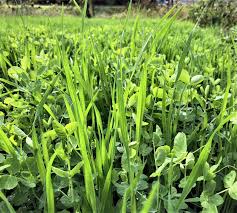
After some fantastic feedback from our customers, we are excited to announce some new varieties for cover crops! Mid-October is a great time to plant cover crops and improve your soil naturally for next season.

Cover cropping can be intimidating for newer growers, but never fear, experimenting in the garden is the best way to learn and improve your skills. Plant cover crops in early/mid-October, then mow it back in the spring when you are ready to plant.

We are currently developing a more in-depth blog post on this topic, but here is a quick overview from the the CSU Extension Office.

Julia has been working hard to research and source some new and improved cover crop varieties well suited for our customers and region. Check them out:

Hairy Vetch

Legume that restores nitrogen to soil. Plant in Spring or Fall. Plant matter breaks down quickly into nitrogen when turned under and is particularly beneficial for tomato plants. Suppresses weeds and reduces erosion.

50lbs/acre

from $13.95

Shop

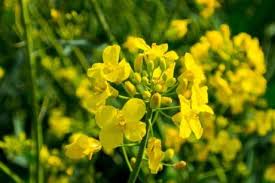
Mustard

Great cover crop for erosion control, nutrient scavenging, and pest control. Significantly helps to control pests and suppress weeds as cells are ruptured during cutting or mowing. Grows rapidly in the fall. Roots burrow deep and help break up soil as well as draw nitrogen up to the top layer of soil. Deters soil-borne pathogens. Sow in late Summer or Fall.

1/2 lb/1000 sq ft or 15-20 lbs/acre.

from $13.45

Shop

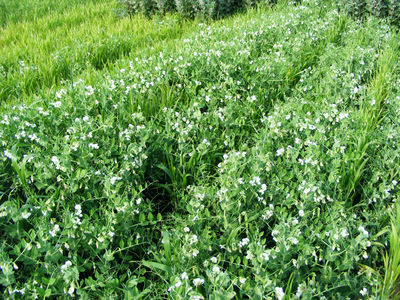
Field Pea

Austrian Winter Pea. An excellent nitrogen fixer for your garden. Grows rapidly in cool, moist weather and succulent stems break down easily when turned under as green manure. Also an excellent mulch when harvested as hay. Out-competes weeds in Spring. Sow in Fall or Spring.

2 lbs/1000 sq ft or 65 lbs/acre

from $6.45

Shop

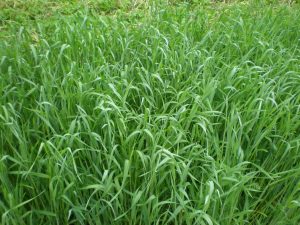
Winter Rye

Secale Cereale. Excellent cover crop that quickly produces ground cover to protect soil during the harsh weather of winter. It’s deep roots help break up compact soil ideal for clay soil types or for folks who regularly till. Plant seed in Fall and mow it back in Spring. Turn under the choppings to provide plenty of organic matter for your garden. Helps reduce weeds and pests, great companion plant for legume mixtures and nitrogen fixers. 

Seeding rate- 1 lb/1,000 sq ft or 40 lbs/acre

from $6.95

Shop

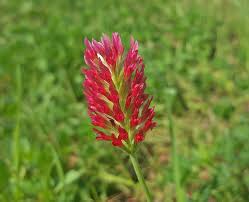
Crimson Clover

Ideal cover crop. Grows rapidly in Fall, provides early Spring nitrogen and is an effective weed suppresser. Great for bees if you let it flower. Sow in Fall or Late summer to be turned under in the Spring. Builds soil, prevents erosion. 

1/2lb/1000 sq ft or 10-15lbs/acre

from $6.45

Shop

Better Yet - Grab Our NEW Cover Crop Mix!

This mix is designed with input from some of our fantastic farmer friends and designed to continually grow and nourish your soil throughout the winter months.

Cover Crop Mix

Field pea, Hairy vetch, Clover, Winter Wheat, Triticale, Mustard. Excellent, well-rounded cover crop mix to protect from winter soil erosion, fix nitrogen, deter pests and disease, break up compact soil, and establish substantial biomass.

1.5 lbs/1000 sq ft

from $8.95

Shop

Upcoming Events

Our good friends Penn and Cord have some awesome events this coming Sunday at Denver Botanic Gardens! If you are up in the high country, this is certainly worth heading down the hill for…

Sustainable Greenhouse Design Registration Link

Passive Solar Greenhouse Growing Registration Link

As always thank you for your business and happy planting!

Alisha and Julia, Co-Owners